Deck Replacement vs Restoration: Cost, Value, and What Homeowners Should Know
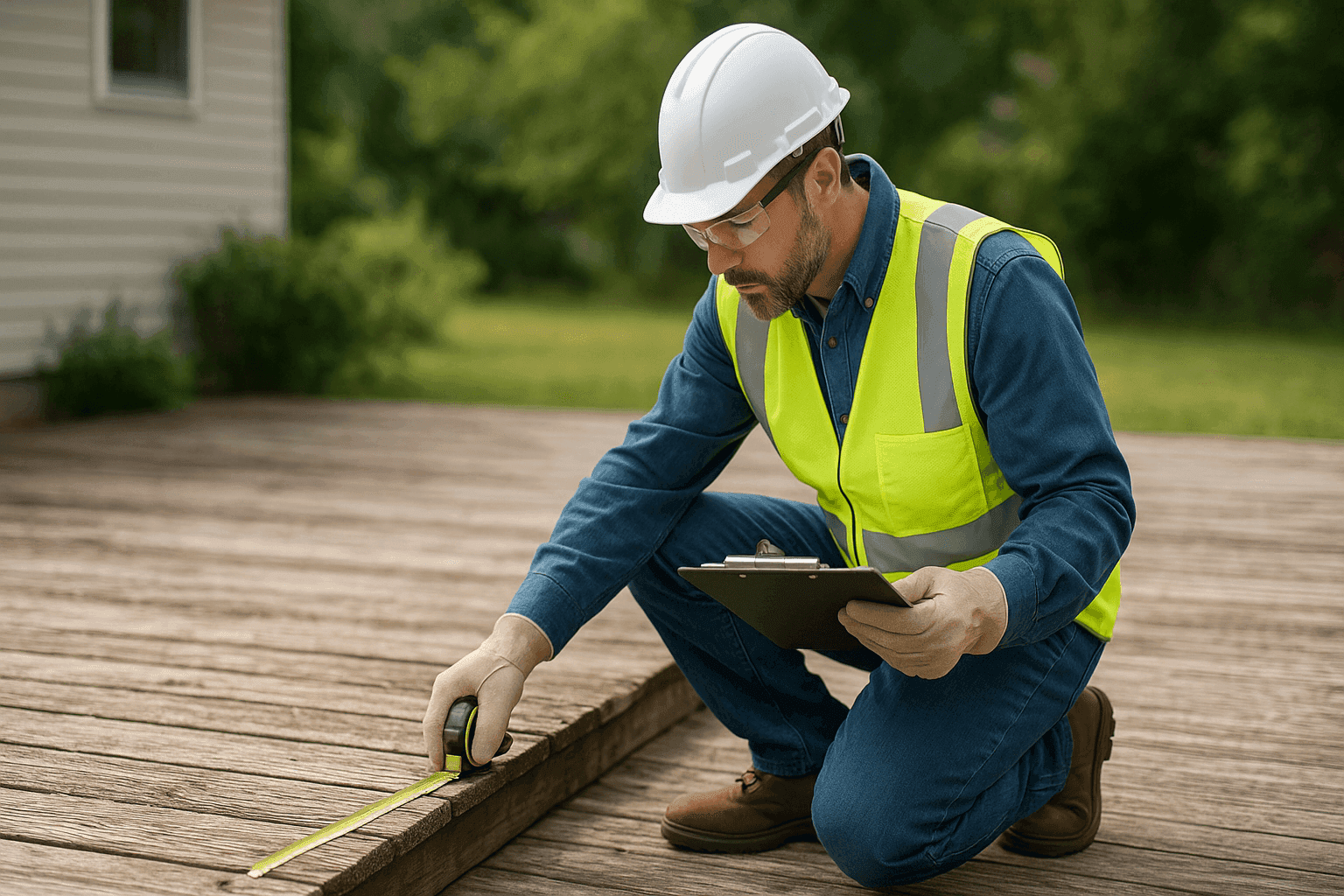
A deck isn’t just some planks and nails. It’s a stage for summer barbecues, a morning coffee spot, a place where memories take root. When your deck starts to show its age, the big question looms: should you restore or replace it? The answer can impact your wallet, your home’s value, and your peace of mind.
At Denoura Decks, we’ve seen every scenario—peeling boards, wobbly rails, and weathered posts. Let’s break down what matters, what costs what, and how to get the most from your outdoor space.
Signs Your Deck Needs Replacing 🕵️♂️
Some decks just need a facelift. Others are beyond rescue. Knowing which is which saves you time and money.
Watch for these warning signs:
- Structural rot: If wood supports crumble or your foot sinks in, you’re looking at a safety hazard.
- Loose or leaning posts: Posts should stand at attention, not lean like tired sunflowers.
- Widespread surface damage: Deep cracks, splinters everywhere, or many warped boards spell trouble.
- Rusty or failing fasteners: Nails, screws, and brackets should hold firm. Corrosion or missing fasteners weaken the deck’s skeleton.
- Unsteady railings: Wiggle the railings. If they move, the deck might not be holding up its end of the bargain.
- Insect or pest damage: Termites, carpenter ants, or even boring bees can compromise the entire structure.
- Outdated or noncompliant design: Older decks may not meet current building codes, including ADA compliance.
Tip: The North American Deck and Railing Association (NADRA) recommends annual deck inspections for safety.
What Restoration Includes
Restoration isn’t just a fresh coat of stain. It’s a series of targeted repairs and upgrades that breathe new life into your deck.
A typical deck restoration may include:
- Deep cleaning and power washing: Removes mold, dirt, and old stains.
- Board replacement: Swapping out a few damaged planks for new ones.
- Sanding and refinishing: Smooths surfaces, preps for sealing or staining.
- Fastener and hardware tightening: Ensures bolts, screws, and brackets are secure.
- Sealing and staining: Protects wood from moisture and sun damage.
- Minor structural fixes: Addressing small issues before they become big ones.
Restoration is like giving your deck a tune-up. It extends life, boosts curb appeal, and can be finished in a fraction of the time it takes to build new.
Cost Comparison: Replacement vs Restoration
Money talks. Here’s what you need to know when comparing your options.
What Goes Into the Cost
- Materials: Wood (cedar, redwood, pressure-treated), composite, PVC. Each comes with different price tags.
- Size and layout: Larger or multi-level decks cost more to restore or replace.
- Labor: Skilled labor rates vary by region and by job complexity.
- Accessories and upgrades: Railing installation, outdoor lighting, built-in seating, pergolas, and fire pits all add to the cost.
- Condition: The worse your deck’s condition, the more labor and material you’ll need.
National Averages (Cited from Remodeling Magazine and HomeAdvisor)
- Restoration: $800 to $4,000+ depending on repairs, materials, and upgrades.
- Replacement: $7,000 to $24,000+ for a complete tear-down and rebuild. High-end composites and custom features can push prices higher.
Pro tip: Always get a detailed estimate from a licensed decking contractor near you. Some hidden costs (like underlying rot or code upgrades) may not be obvious until work begins.
ROI: Where’s the Value?
- Restoration: Lower upfront cost, less disruption, and a quick refresh. Good for decks with solid bones that need cosmetic or minor structural work.
- Replacement: Higher cost, but delivers a brand-new structure that meets current codes and modern aesthetics. Increases home value and safety. National averages suggest a deck replacement can recoup over 60–70% of its cost at resale (Remodeling Magazine).
How to Estimate Costs (and Avoid Surprises)
Estimating your project is like baking: the recipe changes with every ingredient. Here’s how to get close:
- Measure your deck: Length × width, plus stairs and landings.
- Check materials: Are you sticking with wood or going composite?
- Assess extras: New railing, lighting, planters, built-in seating, or weatherproofing near you.
- Inspect structure: How many posts and joists are salvageable?
- Factor in permits: Required for major repairs or replacements. Permit fees vary by municipality.
- Labor rates: Labor can account for 50% or more of the total cost.
Hidden Costs to Watch For:
- Discovering rot, termites, or outdated footings once demo begins.
- Upgrading to meet local code or ADA requirements.
- Disposal of old materials.
Tip: Ask your contractor for a line-item estimate and clarification on what’s included.
Evaluating Your Deck’s Condition
Start with a visual check. Walk the surface. Press on boards and railings. Look underneath, if possible.
When in doubt, ask a pro. Some damage—like hidden rot or unsafe footings—can only be seen by lifting boards or crawling below. NADRA and the International Residential Code (IRC) set safety standards; a professional inspection can ensure your deck meets these guidelines.
Pros and Cons: The Short List
Restoration
Pros:
- Lower cost
- Faster turnaround
- Preserves existing layout and features
- Less material sent to landfill
Cons:
- Not suitable for decks with major structural issues
- May not address code compliance or outdated design
- Limited lifespan extension if underlying issues persist
Replacement
Pros:
- Complete design freedom
- Meets latest safety and code requirements
- Opportunity to add custom features (outdoor kitchens, ADA ramps, built-in seating)
- Boosts home value
Cons:
- Higher upfront cost
- More disruptive (demolition, construction noise)
- Longer project timelines
Factors That Impact Pricing
- Material choice: Composite decking can cost more than wood, but lasts longer and needs less maintenance.
- Deck size and complexity: Multi-level decks, curved stairs, and custom features add to the price.
- Labor rates: Vary by region and contractor experience.
- Accessories: Outdoor lighting, planters, pergolas, and fire pits are popular—each adds to the total.
- Site access: Hard-to-reach backyards may require more labor.
Long-Term ROI: The Big Picture
Think of your deck as an investment—like replacing a roof or updating a kitchen. A solid, safe, and beautiful deck pays you back in enjoyment and resale value.
- Composite materials: Higher upfront, lower ongoing maintenance.
- Wood decks: Lower initial cost, but require regular sealing, staining, and potential board replacements.
- Added features: Built-in seating, ADA ramps, and weatherproofing near you can set your property apart.
According to Remodeling Magazine’s Cost vs. Value Report, a new deck consistently ranks as one of the best returns for outdoor home projects.
How to Get an Accurate Estimate
- Schedule an on-site inspection: Only a close-up look reveals hidden issues.
- Ask for a written, itemized estimate: This should include demolition, materials, labor, and accessories.
- Confirm local code requirements: Your municipality may require permits and inspections.
- Discuss your must-haves and nice-to-haves: Prioritize features that matter most.
Tip: A reputable decking contractor will explain potential variables and answer your questions clearly.
Deck Replacement and Restoration: FAQ
How do I know if my deck is safe?
Look for loose boards, shaky railings, signs of rot, and rusty fasteners. If you’re unsure, have a professional perform a deck inspection following NADRA and IRC standards.
How long does restoration vs replacement take?
Restoration often takes 1–3 days. Full replacement can stretch from a week to several weeks, depending on design and materials.
Is composite decking worth the investment?
Composite costs more upfront but lasts longer and needs less maintenance. It’s especially valuable in climates with extreme weather or for homeowners seeking low-maintenance solutions.
Can I add features like lighting or planters during restoration?
Yes—many accessories can be integrated during restoration or replacement. Discuss these early to include them in your estimate.
Practical Tips for Homeowners
- Keep your deck clear of debris and check for pooling water after rain.
- Schedule regular cleanings and resealing to prolong deck life.
- Don’t ignore small issues—early repairs cost less and prevent bigger problems.
- If you’re planning to sell, consider replacement for maximum curb appeal and value.
References
- North American Deck and Railing Association (NADRA)
- Remodeling Magazine’s Cost vs. Value Report
- International Residential Code (IRC) for deck safety
Ready to Refresh or Replace Your Deck?
It’s your outdoor stage—make sure it’s safe, strong, and ready for every season. If you’re unsure whether restoration or replacement is best, Denoura Decks can help you assess your options clearly and professionally.
Call Denoura Decks now — or reach us anytime at 855-914-7555 .