Deck Maintenance Checklist: Year-Round Protection for Your Outdoor Living Space
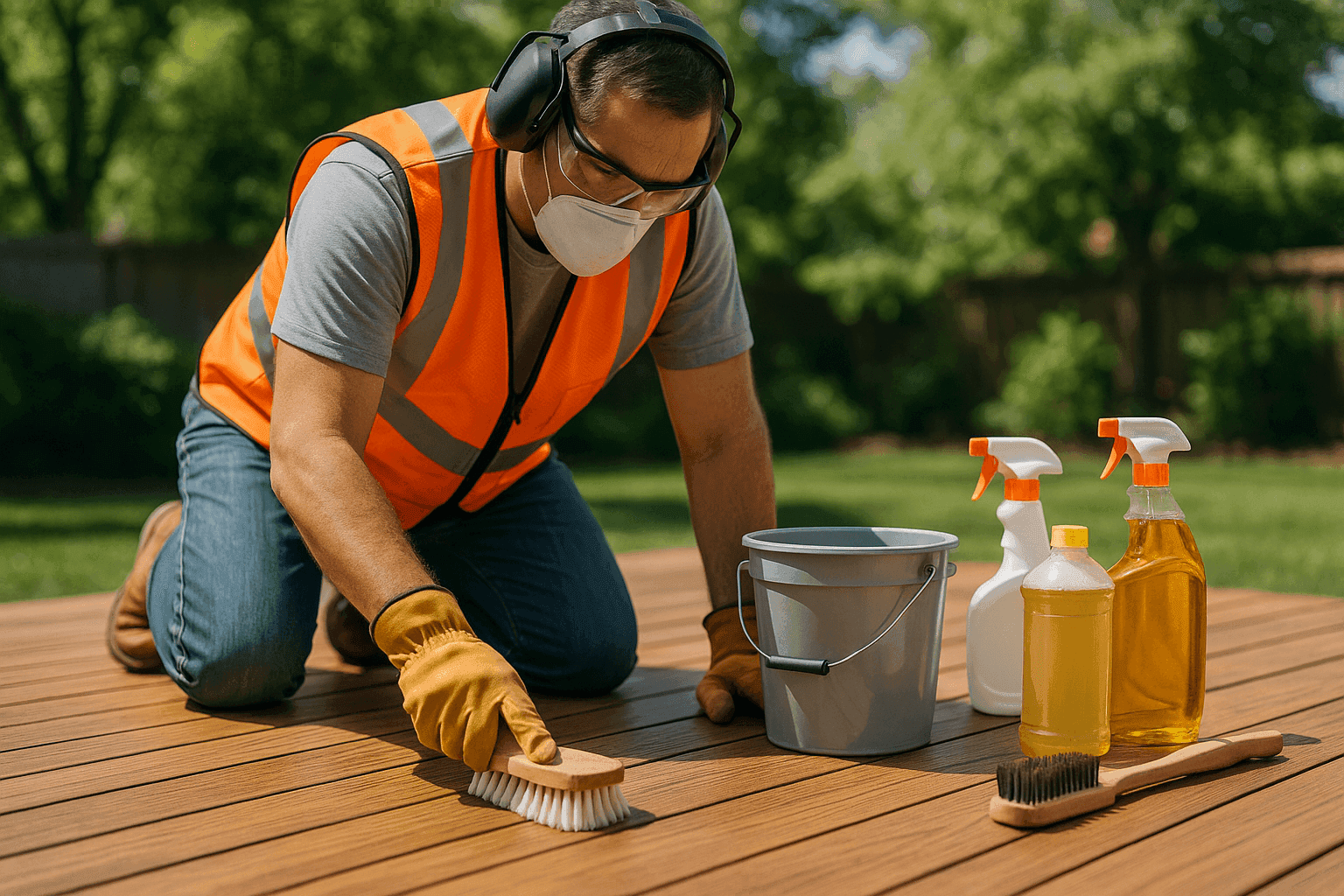
Your deck is more than a platform—it's where memories are made. A Sunday barbecue with friends. Your morning coffee as the sun rises. The safe place where kids and pets play. But like any part of your home exposed to the elements, your deck needs regular care to stay safe, beautiful, and built to last.
Ignoring deck maintenance is a bit like ignoring your car’s oil light. Problems might not show immediately, but over time, neglect can lead to headaches, safety risks, and expensive repairs. The good news? A little attention each season goes a long way. Let’s break down what to do, when, and why it matters.
Why Deck Maintenance Matters
Your deck faces sun, rain, snow, and everything in between. Moisture seeps into wood. UV rays fade boards and weaken fasteners. Debris piles up, causing mold or mildew. Over time, minor issues—loose railings, split planks, rusty hardware—become serious hazards.
Routine maintenance doesn’t just keep your deck looking sharp. It prevents accidents, meets safety codes, and saves you money. According to the North American Deck and Railing Association (NADRA), well-maintained decks last years longer and are safer for your family.
Quick Safety Checklist
Before you start, a few fast checks can prevent trouble down the road:
- Inspect for loose or wobbly railings.
- Look for cracked, splintered, or warped boards.
- Check for rusted or missing fasteners and nails.
- Scan for signs of rot, especially around posts and steps.
- Sweep off debris; leaves and dirt trap moisture.
- Look for mildew or mold—slippery decks are no fun.
If anything feels unstable or looks badly damaged, put safety first. Some fixes are DIY-friendly, but others need a pro’s touch.
Spring: Reawaken Your Deck 🌱
Winter’s over. Now’s the time to revive your deck and prep for the busy season ahead.
- Thorough Cleaning: Remove furniture, sweep, and power-wash surfaces. For wood decks, use a manufacturer-approved cleaning solution. Composite decks? A soft brush and soapy water usually do the trick. Avoid harsh chemicals that can void warranties.
- Inspect for Damage: Look for split boards, popped nails, and loose screws. Examine joists and beams for signs of rot or insect damage.
- Deck Staining & Sealing: Early spring is prime time. For wood decks, apply a water-repellent sealer or stain to block moisture and UV rays. Composite decks rarely need sealing, but check your manufacturer’s recommendations.
- Check Railings & Stairs: Make sure everything is secure and meets local building codes. The International Residential Code (IRC) requires railings on decks over 30 inches high, with balusters spaced no more than 4 inches apart.
- Planter & Accessory Check: Clean out planter boxes, check built-in seating, and inspect outdoor lighting for loose wires or bulbs.
Summer: Enjoy and Inspect ☀️
Summer means high traffic and hot sun. Keep your deck safe and looking its best with these steps:
- Monthly Sweeping: Clear away pollen, dust, and debris to prevent stains and slippery spots.
- Check for Heat Damage: Direct sun can dry and crack wood. Composite decks may get hot—consider outdoor rugs or shade structures like pergolas (which Denoura Decks can build).
- Spot-Treat Stains: Clean up food, drink, or grease spills from the grill as soon as possible.
- Inspect for Loose Fasteners: With all the foot traffic, nails and screws can work loose. Tighten them to prevent trips and falls.
- Reposition Furniture: Move chairs and tables occasionally to avoid sun bleaching or water pooling in one spot.
- Fire Safety: If you have a fire pit, follow local codes. Keep a fire extinguisher nearby and regularly check for embers or heat damage to decking.
Fall: Prep for the Cold 🍂
As leaves fall and temperatures drop, it’s time to protect your investment from winter’s worst.
- Clear Debris: Remove leaves, pine needles, and dirt. Organic matter traps moisture and leads to rot.
- Deep Clean: Power-wash if needed. Ensure the surface is dry before storing items or covering the deck.
- Inspect and Repair: Look for water stains or soft spots—signs of hidden leaks or rot.
- Check Drainage: Make sure downspouts and gutters direct water away from the deck.
- Apply Sealant: Late fall is your last chance to seal wood decking before winter. Use a high-quality, weatherproofing sealant.
- Store Accessories: Bring in cushions, umbrellas, and portable lighting. Cover the grill and other fixtures.
- Winterize Plumbing: For decks with outdoor kitchens or hot tubs, shut off and drain water lines to avoid freezing.
Winter: Protect and Monitor ❄️
Snow and ice can be tough on decking. With the right steps, you can avoid costly winter damage.
- Clear Snow Promptly: Use a plastic shovel—metal ones can gouge wood or composite. Shovel along the boards, not across.
- Avoid De-Icers: Rock salt and harsh chemicals damage wood and corrode fasteners. Sand provides traction without harm.
- Inspect After Storms: Heavy snow or ice can loosen boards or railings. Check for damage after each major event.
- Monitor for Moisture: Watch for water pooling or ice dams near deck edges.
- Keep it Light: Remove heavy snow build-up. Excess weight can strain the deck’s structure.
- Look for Pest Entry: Rodents sometimes seek shelter under decks in winter. Block gaps and check for burrows.
Decking Material Tips
Not all decks are created equal. Here’s how to keep yours in top shape:
- Wood Decks: Need regular staining and sealing. Cedar, redwood, and pressure-treated lumber have different requirements—follow the lumber manufacturer’s instructions for best results.
- Composite Decks: Lower maintenance but not maintenance-free. Clean with soap and water. Avoid sharp tools that can scratch the surface.
- Specialty Decks: Roof decks, pool decks, and ADA-compliant decks often have unique waterproofing or code requirements. Annual inspections by a qualified contractor are highly recommended.
DIY vs. When to Call a Pro
Some tasks are easy for homeowners: sweeping, spot-cleaning, or tightening a few screws. But when you spot structural issues, major rot, or loose railings, it’s smart to bring in a professional.
- DIY: Cleaning, minor tightening, staining with proper prep, small touch-ups.
- Call a Pro: Structural repairs, major rot or insect damage, code-compliance checks, weatherproofing near you, or anything involving electrical fixtures or built-in features.
Not sure? The North American Deck and Railing Association (NADRA) recommends professional inspections every 2–3 years, or annually for older decks.
What Pros Do On Arrival
You might wonder, what’s the difference when a pro from Denoura Decks shows up?
- Full Deck Inspection: Checking framing, fasteners, stairs, and railings using industry-standard checklists.
- Moisture Testing: Identifying hidden rot or water leaks with specialized tools.
- Code Compliance: Ensuring your deck meets current safety standards and local codes.
- Detailed Reporting: Documenting issues and recommending repairs or upgrades.
- Pro-Grade Weatherproofing: Applying commercial-grade sealants and finishes for lasting protection.
Prevention & Maintenance
The best way to avoid big problems? Stay ahead:
- Regular Cleaning: Prevents mold, mildew, and staining.
- Weatherproofing: Sealing and staining block water and sun damage, extending deck life.
- Timely Repairs: Small fixes now prevent big headaches later.
- Accessory Maintenance: Keep lighting, planters, and built-in seating in good shape.
According to the International Association of Certified Home Inspectors (InterNACHI), routine maintenance can double the lifespan of a deck.
Costs & Time Factors
Deck maintenance doesn’t have to break the bank—or eat up every weekend.
- Time: Simple cleaning and checks take 1–2 hours each season. Deeper cleaning, staining, or sealing? Set aside a weekend.
- Cost: Cleaning supplies are affordable. Staining or sealing wood decks costs more, especially if you hire a pro. Repairs vary by material and extent.
- Savings: Regular upkeep prevents major repairs—saving thousands over your deck’s lifetime.
When It’s an Emergency
Some problems can’t wait:
- Wobbling or Collapsing Sections: Stop using the deck and call a professional immediately.
- Major Rot or Insect Damage: If you can poke a hole with a screwdriver, the wood is likely compromised.
- Loose Railings on Elevated Decks: A fall risk you can’t ignore.
Don’t risk personal safety. If in doubt, step away and call Denoura Decks.
FAQ
How often should I seal my deck?
For wood, every 1–3 years depending on weather and wear. Composite decks usually don’t need sealing—check the manufacturer’s guide.
Can I pressure-wash my deck?
Yes, but use the right tip and keep the pressure low. High pressure can gouge wood or damage composite boards.
What’s the best way to remove mildew?
A mix of water and mild soap—plus a brush—works for most decking. Avoid bleach, as it can strip finishes and harm plants.
When is the best time to schedule a professional inspection?
Spring or fall, before extreme weather sets in.
Local & Seasonal Considerations
Every region has its quirks. In humid climates, mold and mildew grow faster—more frequent cleaning is a must. In dry, sunny areas, UV protection matters most. If you live near saltwater, stainless steel fasteners are essential to prevent corrosion.
No matter where you are, weatherproofing near you is available. Local building codes may also affect railing height, stair safety, and ADA compliance—stay up to date.
A well-maintained deck is a safe, inviting space that lasts for years. Don’t let small problems turn into big ones. For inspections, repairs, or weatherproofing near you, Call Denoura Decks now — or reach us anytime at 855-914-7555 .